



Upgrading or installing Sage seems like a fundamental job. Click Install. Wait a few minutes. Start working.
It's the way it's supposed to be.
In real-world offices, it rarely works that easily. Something stops working. It displays an error that isn't logical. And, perhaps even more importantly, Sage installs successfully, but refuses to function properly afterward.
Most people don't make any mistake intentionally. The main cause of problems is small, insignificant things that nobody will tell you about.
Let's break this down into simple language.
What is the reason? Sage installation is failing so often?
Sage is not like an app you can just download and forget. It depends heavily on parameters in the system, permissions and settings and background services.
One of the biggest problems is installing Sage without proper admin rights. The configuration may appear be complete, however the most important components never install properly. Then, Sage crashes or features do not function.
Another important reason is remnants of files from an older version. Many users will install a fresh version over the old one but do not tidy things up. Sage becomes confused as to the best files to use.
Outdated Windows updates may also play a role. Sage relies on particular software libraries. If Windows isn't working properly, Sage may refuse to install or behave inconsistently.
Problems with firewalls and antivirus during installation
Antivirus software often interferes with Sage. When it is installed, Sage creates and modifies various system files. Antivirus programs sometimes stop these actions in a silent manner.
You believe that Sage was installed correctly. In reality, important fichiers were blocked.
Additionally, firewalls could block Sage services from registering properly. This is noticeable later, when multi-user mode or database services do not start.
This is why temporary disablement of antivirus or complete exclusions are frequently recommended during installation.
Common upgrade problems users face
The upgrade process of Sage may be more risky than simply installing fresh. Some users fear losing their data. The reason for this is even if the upgrade was done in a hurry.
A major error is to upgrade without backing up. If something isn't working properly during an upgrade, the corporate file may not show up at all.
Another issue could be a mismatch between the versions. One system upgrades. Another system does not. In the meantime, all users are unable to access their business file together.
It is also a problem with database compatibility. Sage upgrades typically require upgrades to the database. If this step is not successful or is skipped, Sage opens but crashes in the process of accessing data.
Updates to company files are a problem that can be explained clearly
If you upgrade Sage Your company's file is also required to be updated. This could be a failure in the event of a corrupted file or extremely large.
Users are frequently confronted with messages that say the file can't be converted or upgraded. Sometimes, an upgrade succeeds, but reports or modules cease to function.
This typically means the file needs to be updated prior to the upgrade. Sage doesn't always describe this in a clear manner.
Permissions and issues with access to folders after upgrading
After an upgrade Sage could suddenly cease to allow you access to your files, which were working perfectly before.
This is typically a permission reset issue. The new version might require specific permissions for folder access. Users who were previously granted access suddenly get errors.
Folders shared with others, Network Drives, and server paths must be checked again following upgrades. It is common to assume that permissions of the old version will work. is a frequent error.
Why Sage is opening, but behaves in a bizarre manner
The most confusing problems occur when Sage is opened normally, but then behaves strangely.
Reports don't generate. Features aren't present. Multi user mode fails.
This typically means that parts in the installation were not able to be registered correctly. Database services might not be operating. Parts of the licensing process may not be complete.
From the viewpoint of the user the experience is random. From the perspective of the system, it's extremely specific.
What do you need to consider before the process of reinstalling everything
Before you take down Sage because of a lack of motivation, there are a few basic checks.
Run Sage as administrator. This fixes more issues than you would expect.
Examine database services and make sure that they're functioning.
Verify Windows updates and the system requirements of to ensure you have the correct Sage version.
Check for antivirus exclusions in Sage folders.
Conduct a data check if the problem started after an update.
If the problem isn't resolved installing the same system again without cleaning older components usually does not work. Proper cleanup matters.
When Sage support is required, Sage
There is a point at which thinking is no longer productive.
If installation fails repeatedly. If upgrades break access. If data becomes impossible to access. These aren't learning moments. These are risky times.
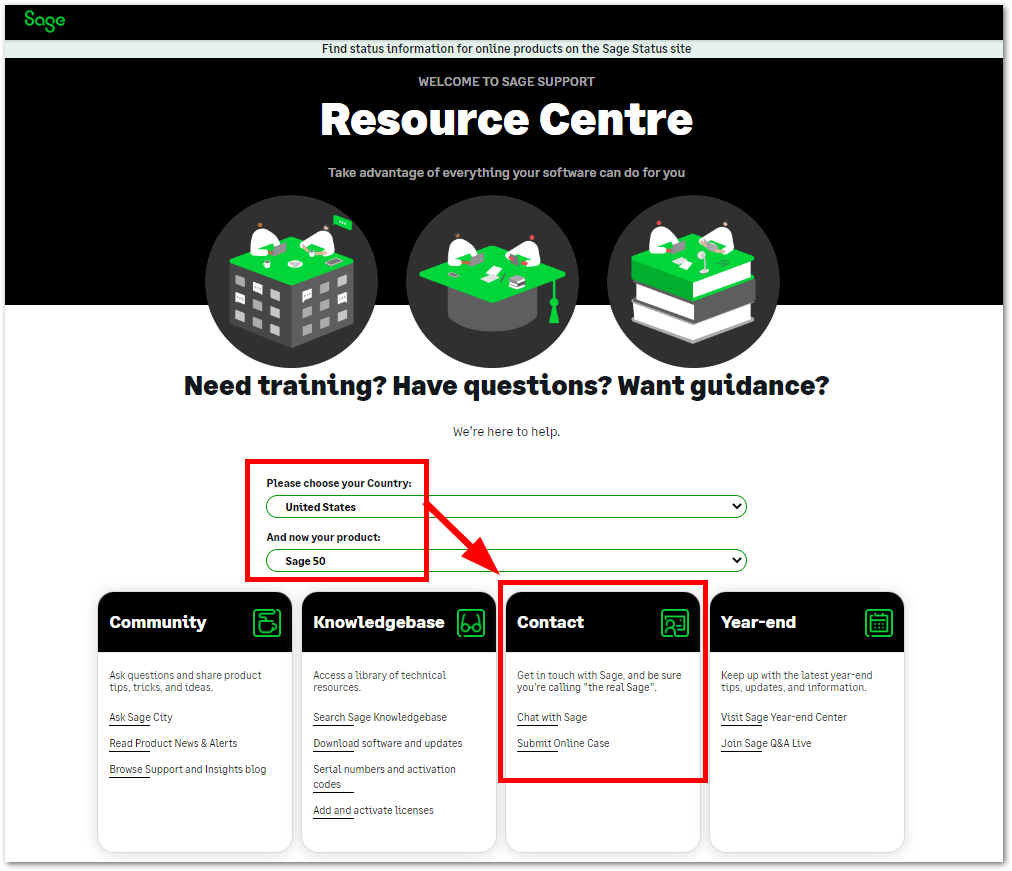
This is when contacting sage support is a good idea. Highly skilled support teams understand where Sage stops working silently. They can tell whether the problem is system based the data or associated with version.
Trying ten random fixes from forums can do more harm than the problem that was originally.
The cost of putting off fixes is more time later
Many businesses put off addressing Sage issues due to the fact that work remains. There are many workarounds. Manual entries. Temporary files.
This can cause hidden problems. Data inconsistencies. Backup failures. Reporting errors.
What started as a small installation issue quickly becomes an operation-related headache.
Support from sage frequently stops these chain of trouble.
A few final thoughts from the day to day Sage users
The installation and upgrade of Sage is very easy since users are impatient. They are hard because sage customer support relies on numerous factors working in a timely manner at the all at once.
One missed permission. One blocked service. One skipped update. This is enough to cause problems. things.
If you are planning to upgrade, make sure you prepare for it properly. Back up everything. Verify system readiness. Don't be rushed.
If you are stuck after installation, stop making a new installation without thinking. Find out the root of the issue.
When the issue goes beyond a simple check, getting Sage support in time can save you time and data as well as some unnecessary stress.
 Xleet
Xleet